In modern society, bridges are not merely engineering structures that connect spaces; they are also the embodiment of mechanics and aesthetics. To popularize scientific knowledge and illustrate the crucial role of bridges in daily life, on December 26, the Graduate Student Party Branch of the Department of Civil Engineering at Shantou University College of Engineering organized an engaging and lively science and technology volunteer service activity titled "The Deformation Journey of Bridges" at the Fourth Primary School on Waima Road, Shantou. Through contextualized explanations, model construction, and interactive experiments, the activity enabled primary school students to learn about bridges through hands-on practice and to experience the charm of bridge mechanics.
Exploring the Four Major Bridge Types – Unlocking the "Mechanical Code" of Bridges
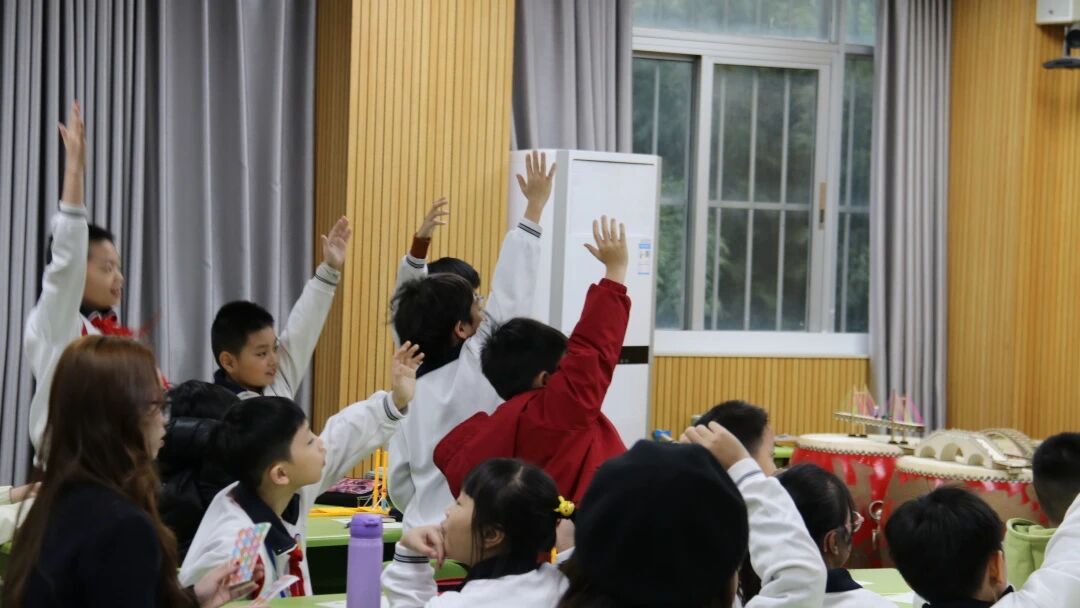
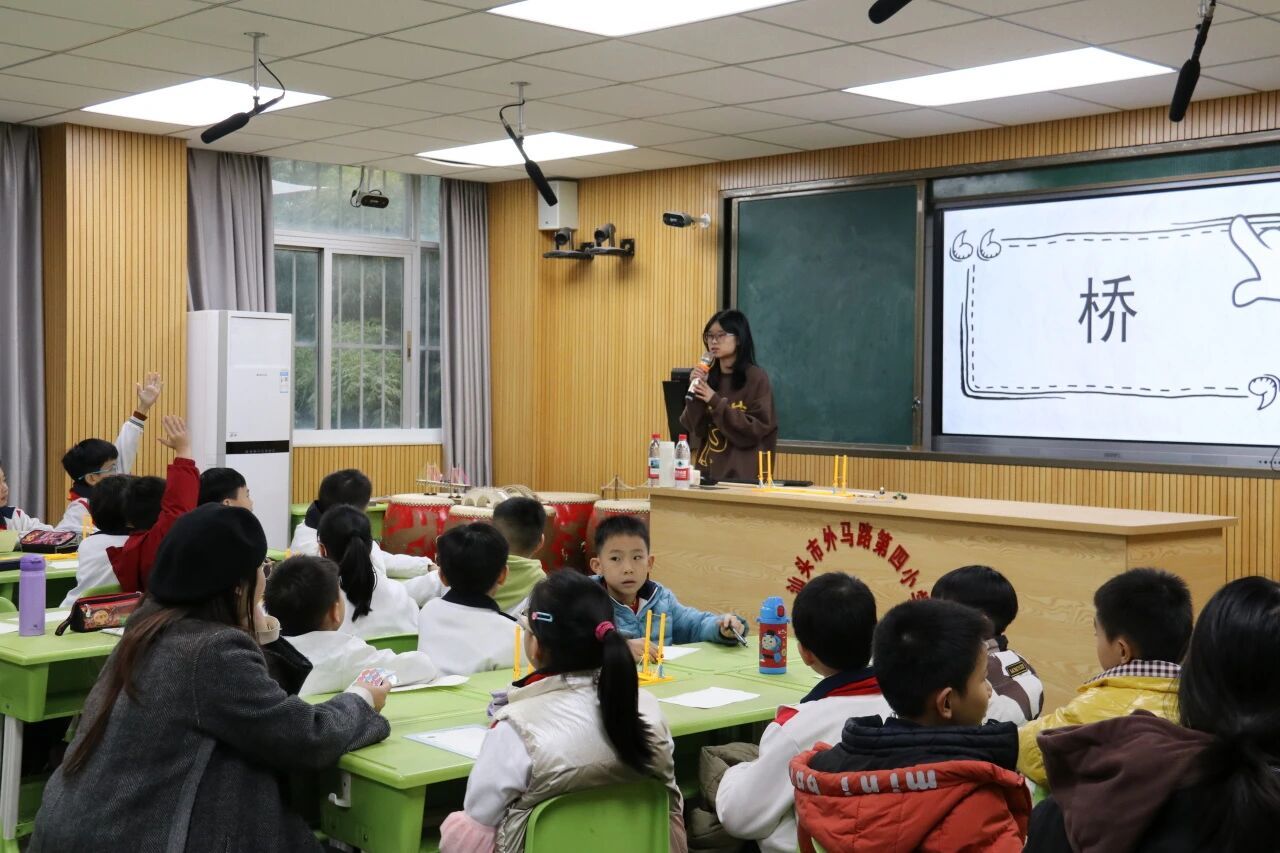
At the beginning of the activity, the speaker, Lin Yexin, first presented images of various bridges to the students and sparked their curiosity by asking, "How are bridges built, and how can they steadily span rivers and carry vehicles?" The students eagerly raised their hands and responded enthusiastically, stepping together into the mechanical world of bridges.
Subsequently, using plain language combined with animations and diagrams, Lin Yexin vividly explained how the piers, bearings, and main girders of beam bridges work together to transmit loads. She then expanded the content to systematically introduce the basic structures of the four major bridge types: beam bridges, arch bridges, cable-stayed bridges, and suspension bridges. From the thousand-year-old Zhaozhou Bridge to the modern, towering Nan'ao Bridge and the Aizhai Bridge spanning a deep canyon, these classic examples not only allowed the students to intuitively grasp the structural characteristics of different bridge types but also vividly demonstrated the mechanical wisdom and technological leaps embodied in bridge engineering from ancient times to the present.
Hands-on Experiment: Uncovering the Structural Code of the "Bailey Bridge"
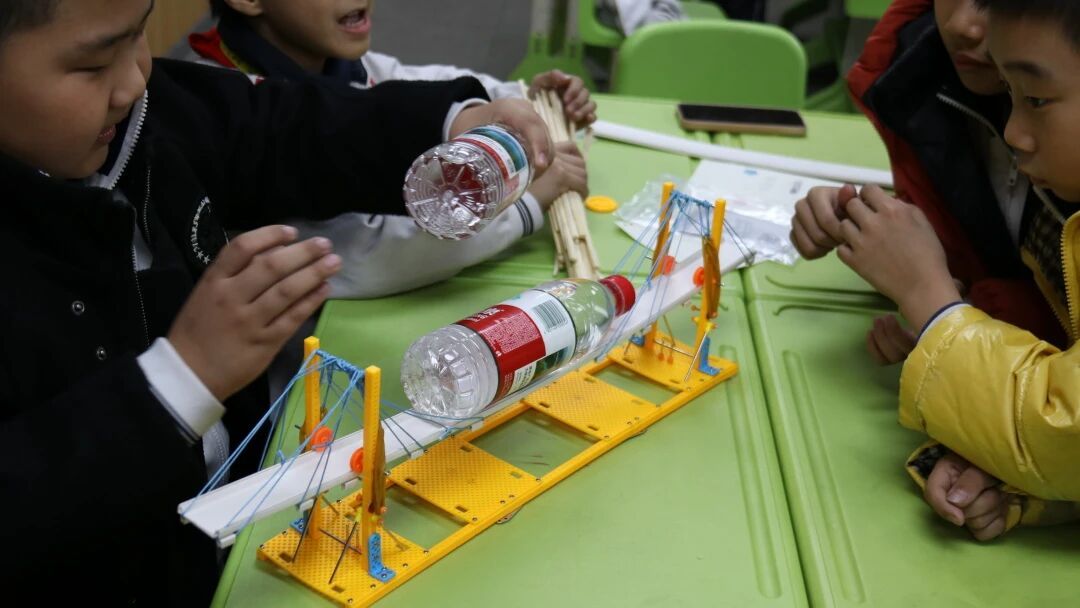
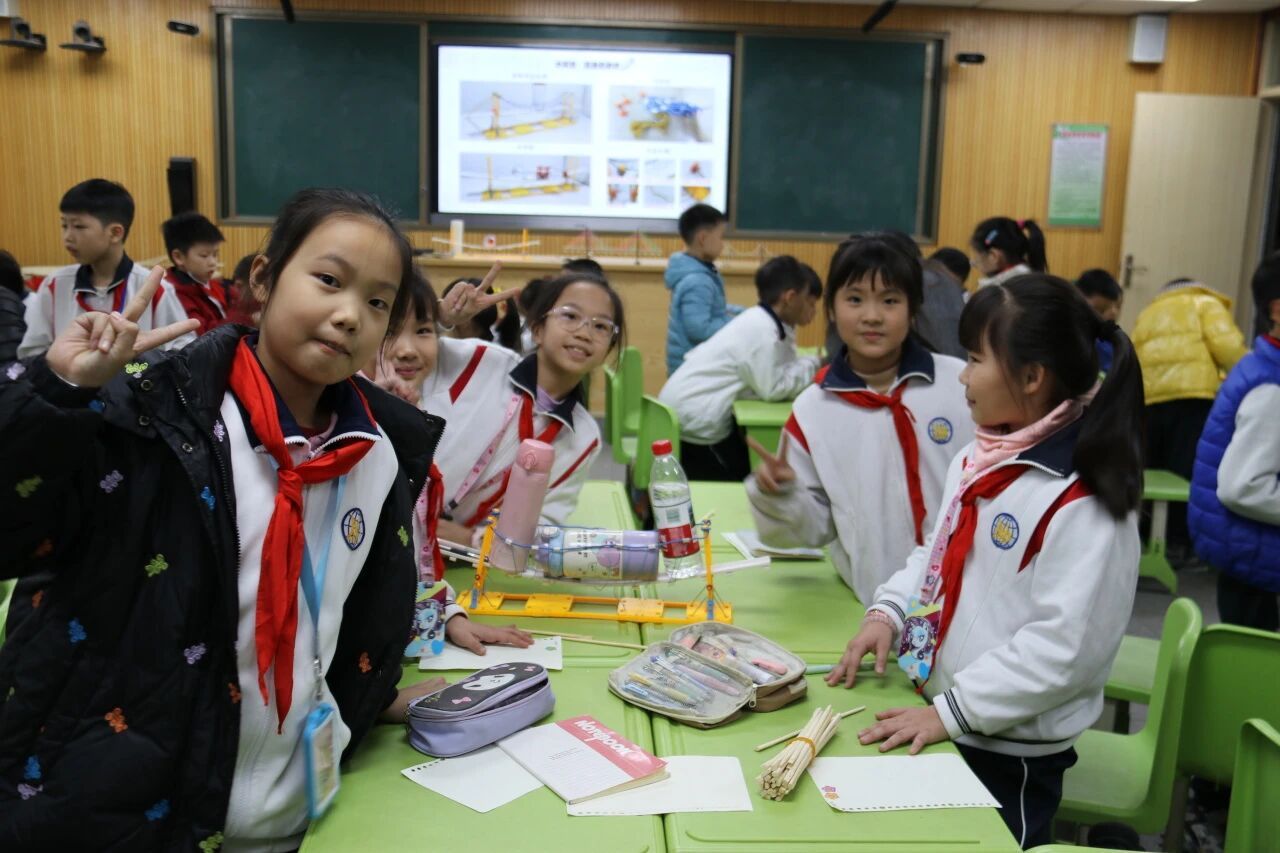
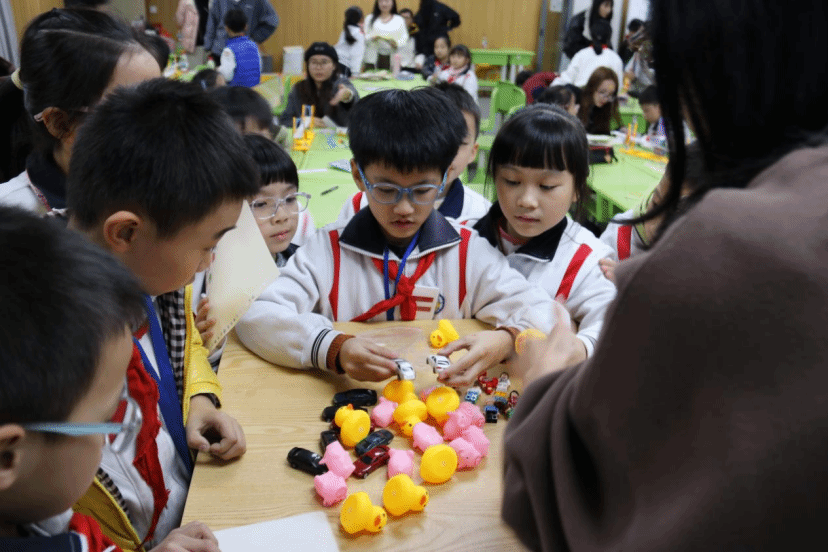
Practice leads to true knowledge. After understanding the basic structures of bridges, the students moved to the hands-on session. The speaker first introduced the materials needed to build models of the Bailey bridge, arch bridge, beam bridge, suspension bridge, and cable-stayed bridge, and explained the operational steps and precautions. Then, with the guidance and assistance of volunteers, the children worked in groups to construct various bridge models.
By assembling the bearings and main girders of beam bridges, combining the arch rings and abutments of arch bridges, arranging the towers and cables of cable-stayed bridges, and setting up the main cables and suspenders of suspension bridges, the students directly experienced the structural and mechanical characteristics of different bridge types. As the models gradually took shape, abstract concepts such as "force transmission" and "structural stability" became tangible, observable entities in their hands.
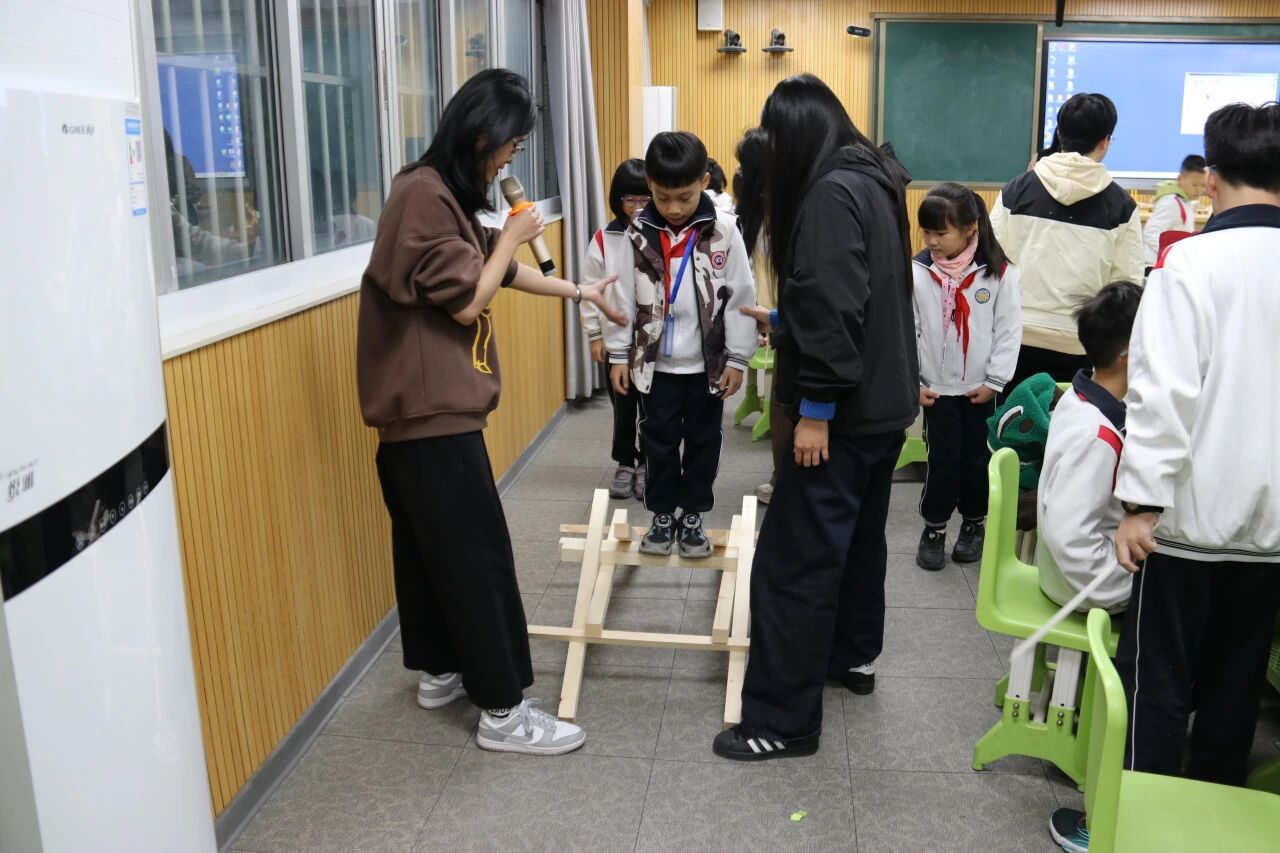
The highlight of the hands-on session was a large-scale "Bailey bridge" built on site by the volunteers. Constructed with interlocking wooden sticks, the bridge was stable, aesthetically pleasing, and fully demonstrated the unique mechanical beauty of truss structures. Under the volunteers' guidance and protection, the students walked onto the bridge deck one by one, experiencing firsthand the stability and strength of the bridge under load. Standing on the bridge structure they had just learned about, the children were both excited and focused, intuitively understanding how a bridge distributes loads through a rational structural design to ensure safety. This activity not only enhanced their practical skills and sense of collaboration but also planted the seeds of engineering wisdom in their hearts.
This activity not only gave the primary school students an initial exposure to bridge engineering knowledge but also quietly built a "bridge of enlightenment" connecting knowledge and dreams in their minds. The volunteers acted as guides into the engineering world, using models and experiments to explain the mechanical principles behind bridge structures and leading the students to a scientific understanding of the infrastructure around them. Through hands-on construction, observation, and reflection, the children learned to comprehend the structural features and force transmission logic of different bridge types, gradually developing engineering thinking related to "structural safety" and "force transmission." Moving forward, the Student Party Branch of the Department of Civil Engineering will continue to organize a series of science and technology volunteer service activities, guiding more young people to participate in engineering practice and scientific exploration, and actively fostering a campus and social atmosphere that values engineering, respects science, and delights in creation.
Text and Images: College of Engineering